Dead cat cure for warts
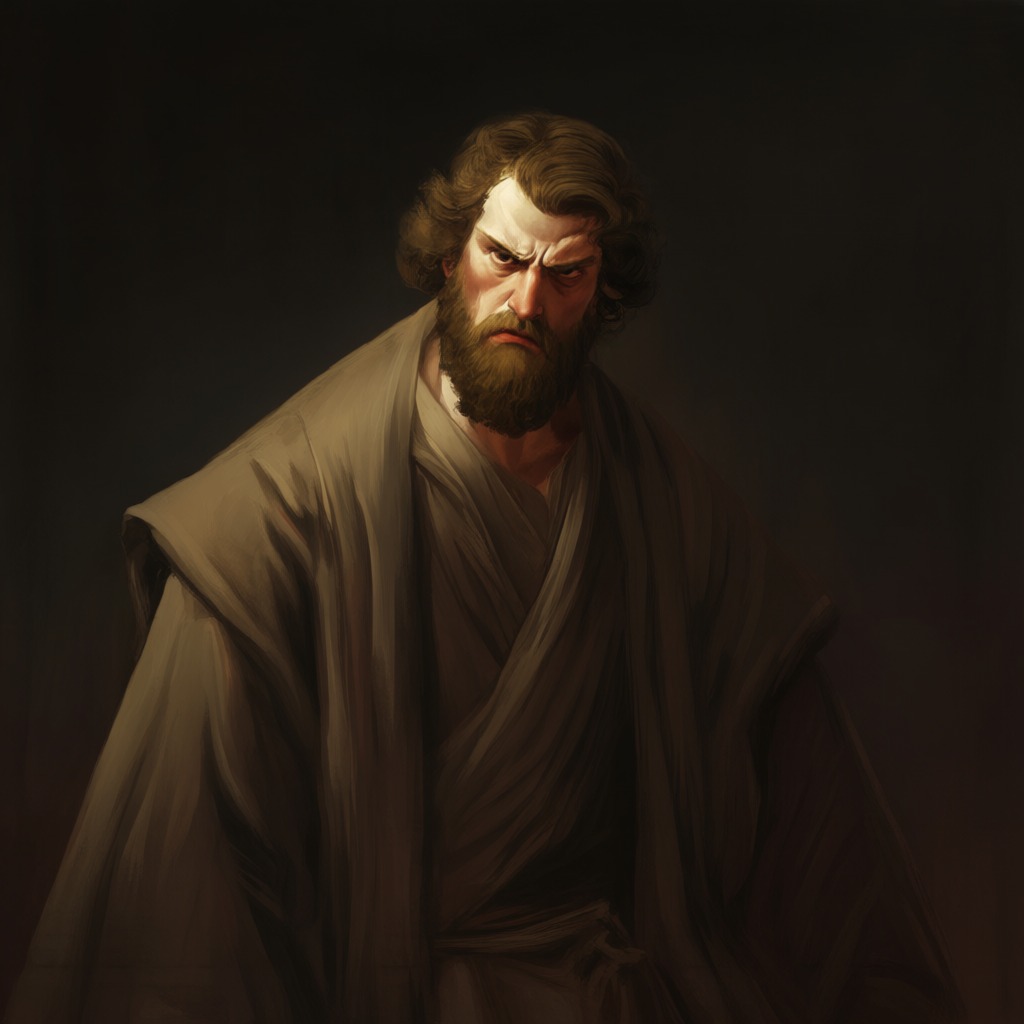
The dead cat cure for warts is one of the most elaborate folk remedies exchanged between Tom Sawyer and Huckleberry Finn, revealing the rich tapestry of superstition that governs the boys' understanding of the natural and supernatural world. Huckleberry introduces the practice when Tom asks what dead cats are good for, answering without hesitation: "Cure warts with." The remedy is not a simple application but a ritual performance set in a graveyard at midnight, specifically timed to coincide with the burial of a wicked person. According to Huckleberry, who learned it from "old Mother Hopkins"—a woman reputed to be a witch—the procedure requires the participant to take a dead cat and go to the graveyard "'long about midnight when somebody that was wicked has been buried." At the stroke of twelve, devils will arrive, invisible to human eyes, to carry away the corpse. The practitioner must then "heave your cat after 'em and say, 'Devil follow corpse, cat follow devil, warts follow cat, I'm done with ye!'" Huckleberry assures Tom that this method "'ll fetch ANY wart." Tom, who has his own repertoire of wart cures, including the spunk-water charm and the bean method, acknowledges the dead cat ritual as sound, largely because its source, Mother Hopkins, is believed to be a witch—a credential that lends the practice authority in the boys' worldview. The ritual's power is further validated by Huckleberry's account of his father: "She witched pap. Pap says so his own self." He describes how his father, upon seeing her "a-witching him," threw a rock at her, and that very night he fell off a shed while drunk and broke his arm. This causal link between the witch's gaze and subsequent misfortune reinforces the boys' belief in the efficacy of her teachings. The dead cat cure is not merely a piece of folklore but a practical tool in the boys' lives, part of a larger system of magical thinking that includes charms for finding lost marbles, interpreting stray dog howls as omens of death, and observing Friday as an unlucky day for treasure hunting. Tom's own faith in such rituals is tested when his marble-finding incantation fails, leading him to conclude that a witch must have interfered. The dead cat cure, however, remains unchallenged in their conversations, a testament to its place in the shared cultural inheritance of St. Petersburg's children. The ritual also serves as a social bond between Tom and Huckleberry, a secret knowledge that sets them apart from the respectable, churchgoing adults and aligns them with the marginalized figures—the town drunkard's son, the reputed witch—who possess a different, older kind of wisdom. When Tom proposes they try the cure on the night of Hoss Williams' burial, he asks to join Huckleberry, and they arrange a signal of cat-like meows to coordinate their midnight expedition. This shared venture into the graveyard, armed with a dead cat and a formula against warts, ultimately leads them to witness the graveyard murder, the central crisis of the novel. The dead cat cure, then, is not an isolated piece of superstition but a narrative gateway, a piece of folk knowledge that propels the boys into a world of real violence and moral consequence, where the devils they sought to conjure are replaced by the very human evil of Injun Joe.